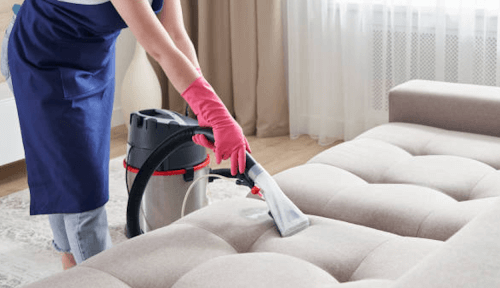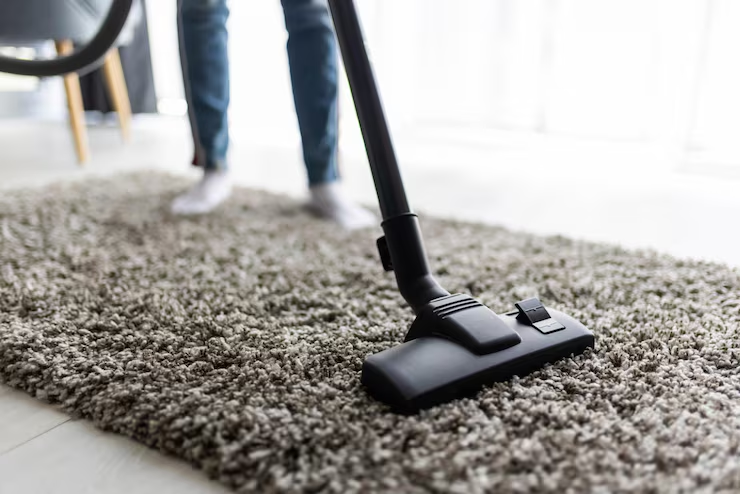
Most people vacuum their carpets regularly and assume that’s enough. The problem is that vacuuming only removes surface debris. Deep inside the fibres, carpets continue collecting dust, allergens, bacteria, pet dander, and moisture that standard household cleaning cannot fully remove.
That buildup happens gradually, so many homeowners do not notice the difference until carpets start looking dull, smelling musty, or triggering allergy symptoms indoors.
According to guidance from the National Health Service, indoor dust can worsen allergy-related symptoms and respiratory irritation, particularly in enclosed living spaces.
This is one reason professional carpet maintenance has become more common across UK households, especially in high-traffic homes with children or pets.
Carpets Trap More Contaminants Than People Expect
Carpets act like large filters inside a property. They collect particles from:
- Outdoor footwear
- Pet fur
- Cooking residue
- Skin cells
- Food particles
- Airborne dust
Over time, those contaminants settle deep into the lower layers of carpet fibres where normal vacuuming becomes less effective.
Moisture is another overlooked issue. Small amounts of trapped dampness from spills, wet shoes, or humidity can create conditions that encourage bacterial growth and odour buildup.
Research published by the American Lung Association has also highlighted how indoor pollutants can accumulate in soft furnishings and flooring materials when not cleaned properly.
This is why occasional deep extraction cleaning matters even in homes that appear visually clean.
High-Traffic Areas Wear Out Faster
Hallways, living rooms, stairs, and entrance areas experience the most friction every day. Dirt particles grind into carpet fibres with repeated foot traffic, gradually flattening texture and reducing appearance quality.
The damage is often subtle at first. Many homeowners think their carpet is simply “getting old” when, in reality, heavy soil buildup is accelerating wear.
Professional cleaning methods help remove embedded grit before it permanently damages fibres.
Services offered by Clean King include deep extraction methods designed to target heavy traffic zones where ordinary cleaning routines are less effective.
DIY Machines Often Leave Behind Residue
Rental carpet cleaners are popular because they seem cheaper upfront. The issue is that many consumer-grade machines lack:
- Strong water extraction
- Consistent heat levels
- Proper drying power
- Professional-grade cleaning solutions
As a result, carpets can remain damp for too long after cleaning. Over-wetting sometimes causes lingering odours, sticky residue, or mould risk beneath the surface.
Another common problem is detergent overuse. If cleaning products are not fully extracted, they attract dirt faster after the carpet dries.
Professional technicians usually adjust cleaning methods based on:
- Carpet material
- Fibre density
- Stain type
- Moisture sensitivity
- Existing wear
That level of assessment is difficult to replicate with general-purpose rental equipment.
Stain Removal Is More Technical Than It Looks
One of the biggest misconceptions is that all stains respond the same way. Different substances require completely different treatment methods.
For example:
- Protein-based stains behave differently from oil-based stains
- Wine reacts differently than mud
- Pet accidents often penetrate deeper layers
- Heat can permanently set some stains if treated incorrectly
Aggressive scrubbing is another mistake people make. It may temporarily improve appearance while actually damaging carpet fibres underneath.
Professional cleaning teams typically use targeted stain treatments rather than one universal chemical for every problem.
This is especially important for delicate carpets where incorrect products may cause fading or fibre distortion.
Indoor Air Quality Can Improve After Deep Cleaning
Carpets continuously collect microscopic particles that circulate through indoor air when disturbed by movement.
People with allergies sometimes notice symptoms worsening indoors because carpets trap:
- Pollen
- Dust mites
- Pet allergens
- Fine debris
The Environmental Protection Agency has discussed how indoor air quality can be affected by accumulated pollutants inside homes.
Deep carpet extraction helps reduce that buildup significantly compared to surface cleaning alone.
That benefit becomes particularly important in:
- Family homes
- Pet-friendly households
- Flats with limited ventilation
- Offices with heavy daily foot traffic
Professional Cleaning Can Extend Carpet Lifespan
Replacing carpets is expensive. Regular maintenance is usually far cheaper than early replacement caused by preventable wear.
Embedded dirt acts like abrasive sandpaper inside carpet fibres. The longer it remains, the faster fibres break down under pressure.
Routine professional maintenance helps:
- Preserve fibre texture
- Reduce permanent staining
- Improve appearance
- Prevent odour retention
- Extend usability
This is one reason landlords, letting agents, and businesses often schedule periodic deep cleaning instead of waiting until carpets become visibly damaged.
Homeowners searching for specialised services often use providers like Clean King’s carpet cleaning service for scheduled maintenance and stain treatment support.
Final Thoughts
Carpets usually look dirtier long after they have already become unhygienic beneath the surface. That delay is what makes regular deep cleaning important, not optional.
Vacuuming helps with surface appearance, but it does not fully remove embedded debris, trapped allergens, or moisture-related buildup.
Professional carpet care is less about making flooring “look nice” and more about maintaining hygiene, extending material lifespan, and preventing gradual damage that can become expensive later.