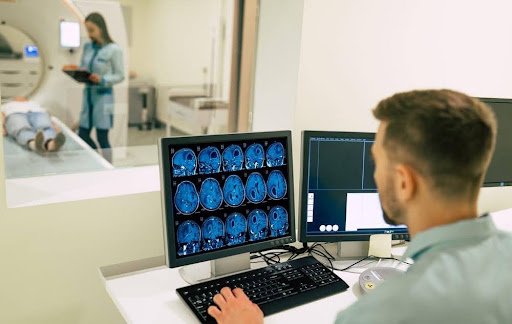
Feeling uneasy about a scan in an enclosed space can make an ordinary appointment seem much harder. Anxiety may come from not knowing how the equipment looks, worrying about staying still, or remembering a previous experience that felt uncomfortable. The most useful preparation starts before the appointment, when there is still time to ask questions and make a clear plan rather than trying to manage every concern at the last minute.
When the booking is made, patients can tell the clinic if they are worried about confined spaces. Staff can then explain what the examination involves, how long each part usually takes, what contact is possible during the scan, and whether a support person can attend under local rules. Different tests use different equipment, so it helps to ask about the actual examination rather than assuming every scanner feels the same. Medical imaging services may also have practical ways to make the experience easier, although available options vary by site and by the type of scan requested.
It can help to learn only the amount of detail that feels useful. Some people are calmer when they know the sequence from arrival to completion. Others become more anxious when they read too much beforehand. A simple plan can include what clothing to wear, whether any preparation instructions apply, who will provide transport if needed, and what question to ask first on arrival. Following the clinic’s written instructions is more reliable than relying on general advice found online.
On the day, arriving with enough time to check in without rushing may reduce extra pressure. Patients can remind staff about their anxiety even if it was mentioned during booking. The radiographer or other imaging professional can explain how communication works once the examination starts. In many settings, staff can see or hear the patient and provide instructions throughout. Knowing how to signal discomfort can make the situation feel more manageable because the patient understands how concerns will be communicated.
Breathing slowly and focusing attention on a neutral task can also be useful. Some people count breaths, notice the feeling of their hands resting still, or picture a familiar place. The aim is not to force anxiety away. It is to give the mind something steady to return to while the scan is being completed. If a particular position causes pain or makes it difficult to remain still, the patient should say so rather than trying to hide the problem.
Another useful step is to separate fear of the space from fear of the result. They can overlap, but they need different kinds of support. Questions about the physical experience can usually be directed to the imaging provider, while worries about what the scan might show are better discussed with the referring clinician. Making that distinction can prevent the appointment itself from becoming the place where every health concern has to be solved at once. A patient may also choose a simple coping cue in advance, such as closing the eyes before entering the scanner or focusing on the next instruction rather than the whole examination.
For some examinations, a clinician may discuss additional support when anxiety is severe enough to affect whether the scan can be completed. This should be arranged through the appropriate healthcare professional because any medicine or other intervention needs to suit the individual, the planned test and the safety requirements around it. Medical imaging services cannot be assumed to offer the same choices everywhere, so patients should confirm arrangements with the clinic in advance.
After the examination, it can be helpful to note what made the experience easier. A successful strategy may be useful if another scan is needed later. If the test could not be completed, that is also important information for the referring clinician and imaging team because a different approach may be considered. The goal is not to endure the appointment in silence. Clear communication allows medical imaging services to understand the concern and helps the patient take part in planning a safer, more workable examination.


