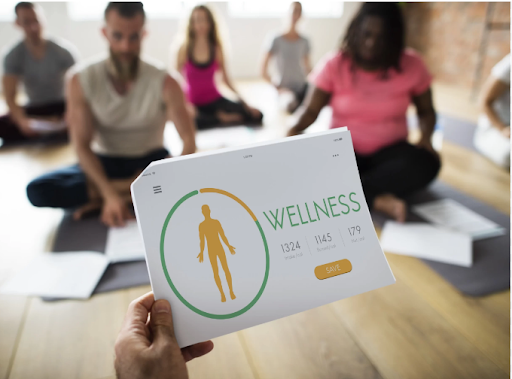
A successful organisation depends on more than financial performance and business strategy. Its people play a central role in achieving sustainable growth. When employees feel supported, valued, and motivated, they are more likely to remain engaged, collaborate effectively, and contribute positively to organisational goals. This is why workplace wellness has become an important part of modern business planning.
Employee wellbeing covers several areas, including physical health, emotional balance, mental wellbeing, workplace relationships, and healthy work habits. Organisations that address these areas can create an environment where employees have the resources and encouragement needed to perform effectively.
Understanding Workplace Wellness
Workplace wellness involves structured initiatives that encourage healthier habits and improve the overall employee experience. These initiatives can include health awareness sessions, fitness activities, nutrition education, mindfulness workshops, stress-management sessions, and employee engagement activities.
Company wellness programs can be adapted according to the size, workforce, and requirements of an organisation. A business with a largely desk-based workforce may focus on ergonomic awareness, movement breaks, stress management, and fitness sessions, while organisations with demanding operational roles may require different forms of support.
The key is to create a wellness strategy that is practical, accessible, and relevant to employees rather than introducing activities simply because they are popular.
Why Wellness Matters for Businesses
Employee wellbeing can have a direct influence on workplace performance. Employees experiencing excessive stress or fatigue may find it difficult to concentrate, communicate, or maintain consistent productivity.
A thoughtful wellness strategy can encourage employees to pay greater attention to their health and develop sustainable habits. It can also demonstrate that an organisation recognises employees as an important part of its long-term success.
Wellness initiatives may contribute to better morale, stronger workplace relationships, and improved employee engagement. When employees feel supported, they may develop a stronger sense of connection with the organisation.
Connecting Wellness With Organisational Development
Wellness should not exist separately from broader organisational development. Workplace culture, leadership, communication, employee engagement, and wellbeing are closely connected.
Businesses can integrate wellness into leadership programmes, employee development activities, and internal communication strategies. For example, managers can be trained to encourage healthier working practices while teams can participate in collaborative wellbeing activities.
This integrated approach helps organisations build a culture where wellbeing becomes part of everyday working life instead of being treated as an occasional initiative.
Professional Support for Organisational Improvement
External expertise can help organisations understand their workplace challenges and identify opportunities for improvement. Professional consultants can assess organisational culture, employee engagement, leadership effectiveness, communication practices, and development requirements.
An organisational development consultant can help businesses create structured strategies for improving workplace culture, team performance, leadership capabilities, employee engagement, and change management. Their support can be particularly useful for organisations experiencing rapid growth, restructuring, leadership transitions, or cultural transformation.
By combining organisational development with employee wellbeing, businesses can address both people-related and operational challenges.
Encouraging Employee Participation
Employee participation is essential for the success of any wellness initiative. Organisations should communicate programmes clearly and make participation convenient for different employee groups.
Flexible timings, online options, interactive workshops, team activities, and regular awareness campaigns can encourage greater involvement. Leaders can also participate in wellness activities to demonstrate that wellbeing is a shared organisational priority.
Measuring Long-Term Results
Organisations should regularly evaluate their wellness initiatives. Employee surveys, participation rates, feedback, engagement levels, and workplace indicators can help measure effectiveness.
Continuous evaluation allows businesses to improve their programmes and ensure they remain aligned with changing employee needs.
Conclusion
Workplace wellness is increasingly becoming a strategic part of organisational success. By supporting employee wellbeing and connecting it with organisational development, businesses can create healthier teams, stronger workplace cultures, and more sustainable performance. A consistent, employee-focused approach can benefit both people and the organisation over the long term.