Walk into two stores selling similar products at similar prices. One feels easy to stay in. The other somehow encourages a quick exit. Lighting might look comparable. Layout seems fine. Staff are equally polite. Yet the difference is real.Often, the missing variable is sound.
Customer experience discussions usually focus on visuals and service training. Audio tends to sit quietly in the background budget, reviewed only when something breaks. This blind spot persists even though sound influences behaviour in subtle but measurable ways.
At the surface level, most businesses assume that as long as music plays and announcements are audible, the job is done. That belief overlooks how the human brain processes audio environments. People react not only to what they hear, but to how evenly and comfortably sound reaches them.
Uneven coverage creates friction. In some zones, music feels too sharp. In others, it fades into the background. Shoppers rarely stop and analyse the issue. Instead, they adjust behaviour. Conversations become strained. Browsing time shortens. Staff repeat messages more often than they should.
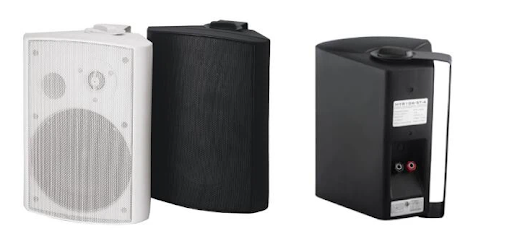
These patterns explain why many forward-thinking operators have started re-evaluating their use of commercial audio speakers. The goal is no longer simple audibility. It is environmental consistency. When sound distribution is balanced across the floor, the space feels calmer and more intentional.
The mid-layer of the issue sits in store design evolution. Retail spaces today are more complex than they were a decade ago. Open ceilings, mixed materials, digital displays, and flexible layouts all affect how sound travels. Systems installed years earlier were rarely planned for this level of variability.
Commercial audio speakers designed for modern retail address this challenge through more controlled dispersion and better integration with digital processing tools. Instead of flooding the store with broad, uncontrolled output, they allow planners to shape coverage according to the physical environment.
Operational efficiency also improves when audio behaves predictably. Staff spend less time adjusting volume during busy hours. Customer service desks do not need to repeat announcements. Managers field fewer complaints about music being either too loud or difficult to hear.
There is also a brand perception element that often goes unnoticed. Customers may not consciously praise sound quality, but they do register comfort. Clean, balanced audio supports a sense of professionalism. Harsh or uneven sound quietly undermines it.
This is one reason commercial audio speakers are increasingly discussed alongside lighting and visual merchandising during store planning. Audio is becoming part of the experiential toolkit rather than a technical afterthought. Businesses that recognise this shift early often gain an atmospheric advantage over competitors still relying on legacy setups.
The deeper layer involves dwell time. Retail studies consistently show that comfortable environments encourage customers to stay longer and explore more areas of the store. Sound plays a direct role here. When audio levels are fatiguing or inconsistent, visitors subconsciously limit their time inside.
Smart operators therefore treat sound as a behavioural lever. They map coverage zones, test real-world listening positions, and choose commercial audio speakers that maintain tonal balance across varying store conditions. This approach transforms audio from a passive background element into an active contributor to customer flow.
Looking ahead, the gap between average and well-designed in-store sound will likely widen. Consumer expectations continue to rise as personal listening devices deliver increasingly refined audio experiences. Physical retail spaces are being judged against that private benchmark more than many businesses realise.
The overlooked detail shaping customer experience is not always visible. It is heard, felt, and often unnoticed when done correctly. Businesses that bring audio into the centre of their experience strategy position themselves to create environments that feel effortless to stay in. Those that ignore it may continue wondering why two similar stores produce very different customer behaviour. reliable partner that works just as hard as the business itself.


