Installing roofing shingles during the colder months can be challenging, but with the right approach, it is entirely feasible. Understanding the ideal temperature for GAF shingle installation is crucial to ensure a successful project. This guide explores essential tips and considerations for working with GAF shingles in cold weather conditions.
Understanding Temperature Limitations
Before commencing any roofing project, it is important to recognize the temperature limitations associated with GAF shingles. Typically, the recommended temperature for installing asphalt shingles is above 40°F. At lower temperatures, shingles can become brittle and difficult to handle, increasing the risk of damage during installation.
Proper Storage and Handling
Cold weather can affect the flexibility and adhesive properties of shingles. To mitigate these issues, store shingles in a warm, dry place before installation. This helps maintain their pliability and ensures the adhesive strips activate properly. Additionally, handle the shingles with care to prevent cracking or breaking due to the cold.
Using the Right Tools
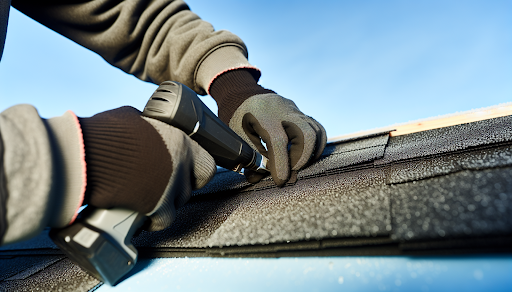
Having the appropriate tools is essential for successful cold weather installation. Ensure that your nail guns are equipped to handle colder temperatures, as some models may not function properly in the cold. Additionally, consider using a hammer for more precise control when fastening shingles in frigid conditions.
Timing the Installation
Timing is crucial when installing shingles in cold weather. Aim to install shingles during the warmest part of the day to take advantage of any natural warmth. This can help improve the adhesive seal and reduce the risk of shingles cracking. Avoid working during early mornings or late evenings when temperatures are at their lowest.
Employing Proper Techniques
Adjusting your installation techniques can also improve outcomes in cold weather. For instance, increasing the number of nails used per shingle can provide additional security against wind uplift. Ensure that each nail is driven flush with the shingle surface to prevent damage and ensure a tight seal.
Monitoring Weather Conditions
Keeping an eye on the weather forecast is vital when planning a roofing project in winter. Sudden changes in weather, such as unexpected snowfall or rain, can disrupt the installation process. Schedule your project during a period of stable, dry weather to minimize interruptions and ensure a smooth installation.
Using Supplemental Adhesives
In some cases, using supplemental adhesives can enhance the bond between shingles in cold weather. Applying a small amount of roofing cement under each shingle can help secure them in place until the sun’s warmth activates the factory-applied adhesive strips. This extra step can prevent shingles from lifting or shifting in windy conditions.
Working with Experienced Professionals
Collaborating with experienced roofing professionals can significantly improve the success of your cold weather installation. Professionals are familiar with the challenges posed by low temperatures and can employ effective strategies to mitigate potential issues. Their expertise ensures that the roofing project is completed efficiently and to a high standard.
Conclusion
Installing GAF shingles in cold weather requires careful planning and execution. By understanding the ideal gaf shingle installation temperature, storing materials correctly, using the right tools, and employing proper techniques, you can achieve a successful roofing project even in challenging conditions. Monitoring weather conditions and considering supplemental adhesives are additional steps to ensure durability and longevity. Finally, partnering with experienced professionals can provide the expertise needed for a seamless installation. With these strategies in place, you can confidently tackle roofing projects throughout the colder months.