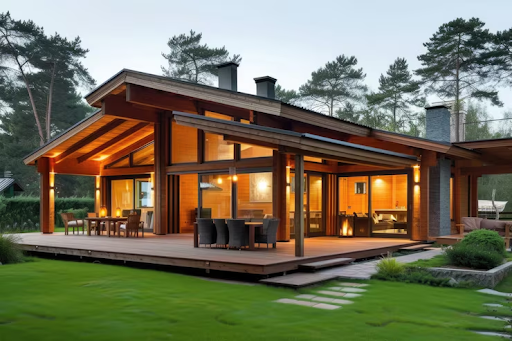
For many homeowners, residential timber carports provide a way to protect vehicles without committing to a full garage or altering the main footprint of the house. A well‑designed timber structure shields cars from sun, rain, and snow, while also contributing to the home’s overall appearance. Instead of feeling purely utilitarian, a carport made from substantial wood posts and beams can become a deliberate part of the front‑of‑house composition.
Why Choose Timber For A Carport?
Timber has a visual warmth and scale that works naturally in residential settings. Unlike thin metal frames or temporary covers, custom wood carports read as architectural elements rather than accessories. The size of the posts, beams, and rafters gives the structure presence and allows it to echo proportions from the main house—roof overhangs, trim dimensions, or column details.
Because the structure is visible, the timber frame becomes an opportunity to align with the home’s style, whether that’s traditional, craftsman‑inspired, or more contemporary with clean lines and minimal ornament.
Understanding The Role Of A Residential Carport
Functionally, residential timber carports do three things well: protect vehicles, create a covered transition zone, and organise the space around driveways and entries. Protection from direct sunlight helps reduce interior heat and UV damage to paint and upholstery. Shelter from rain and snow makes daily tasks—loading groceries, securing children in car seats, or getting in and out of the car—more comfortable.
The covered volume between driveway and house often becomes an informal workspace as well: a place to do small projects, wash or detail vehicles, or store bikes and outdoor gear temporarily while still being shielded from the elements.
Sizing And Layout For Everyday Use
Getting the footprint right is essential. A carport that’s too narrow or shallow can make parking feel tight and awkward, while an overly large structure may crowd the front yard or dominate the facade. For most homes, it helps to think in terms of:
- Number of vehicles to be parked side by side or in tandem.
- Space needed to open doors fully on at least one side.
- Walking paths from the carport to main entrances or side doors.
Generous but realistic dimensions make daily parking feel natural, not stressful. Considering turning radii and the angle of approach from the street also helps avoid uncomfortable manoeuvres.
Attaching Versus Freestanding Designs
Residential timber carports can be attached directly to the house or built as freestanding structures. Attached designs often share rooflines or tie into existing eaves, creating a seamless extension of the architecture. Freestanding versions can be placed slightly away from the house, sometimes aligning with property lines or driveways while still visually relating to the main building.
In either case, the goal is to have the carport feel integrated. Aligning beam heights with nearby roof elements, matching finishes, and coordinating the rhythm of posts with windows or doors contributes to a cohesive look.
Coordinating With Landscape And Hardscape
A carport rarely exists in isolation; it sits within driveways, walkways, planting beds, and sometimes low retaining walls or fences. Thoughtful design considers how vehicles will be seen from the street and how the structure frames views from inside the house. Plantings can soften the vertical lines of posts and help blend the carport into the yard.
Paving choices under and around the carport influence drainage and overall character. Well‑placed lighting on or near the timber frame improves safety and highlights the structure after dark, further establishing it as part of the home’s identity.
Addressing Weather And Climate
Local climate shapes design details. In snow‑prone areas, roof pitch and load capacity need to accommodate winter accumulation. In hot, sunny regions, overhangs and orientation may prioritise shade and ventilation. Timber framing allows for sturdy roofs with clear spans over vehicle bays, creating unobstructed space to park and move around.
Gutters and downspouts, where used, must be integrated carefully so water is directed away from foundations, walkways, and places where ice might create hazards in cold climates.
Long‑Term Care And Material Choices
Choosing appropriate wood species, finishes, and connection hardware helps residential timber carports age well. Protective coatings, regular inspection of base conditions around posts, and occasional maintenance keep the structure sound and visually appealing.
Because the carport is highly visible, even small signs of wear are noticeable. Planning for periodic cleaning and refinishing ensures that the timber frame continues to complement the house rather than detract from it.
Conclusion
Residential timber carports sit at the intersection of practicality and design, offering everyday protection for vehicles while shaping how the front of a home looks and functions. By paying attention to scale, connection to the house, landscape integration, and local climate, homeowners can create custom wood carports that feel like intentional extensions of their property. Over time, these structures quietly support daily routines and contribute to a more coherent, welcoming curb presence.


