In recent years, Australian home buyers and builders have been shifting toward more compact living. According to the Australian Bureau of Statistics, the average site area of new house approvals in Greater Brisbane dropped by 20% over a 15-year period, from about 618 square metres in 2005-06 to 497 square metres by 2019-20
This trend makes narrow block house designs not just a clever choice, but increasingly necessary for modern living in cities and suburbs where land is at a premium.
Here are ten inspiring narrow block house design ideas that maximize functionality, style, and comfort—perfect for Australia’s evolving housing landscape.
1. Split-Level Narrow House
By stepping the design, a split-level plan can make the most of limited width. Create a foyer and garage on the lower level, living spaces in the middle, and bedrooms above. This vertical layering gives the illusion of space while keeping the footprint minimal.
2. Double-Storey Terrace Style
A design with two storeys allows narrow blocks to host key rooms upstairs (bedrooms, bathroom) while reserving the ground floor for kitchen, living and dining. Large windows and sliding glass doors help connect to outdoor patios to extend usable living area.
3. Open Floor Plan with Courtyards
Narrow block house designs can include light wells or small internal courtyards to bring in daylight and cross-ventilation. Placing courtyards beside central hallways or living areas keeps things bright without requiring wide lot dimensions.
4. Minimalist Facade, Feature Roofline
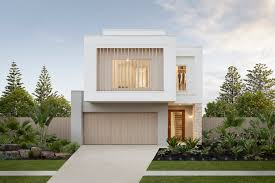
A clean, minimalist facade with simple roof geometry (e.g. skillion or low pitched) reduces bulk visually while offering modern appeal. Feature cladding or timber accents give personality without over-crowding the frontage.
5. Multi-Functional Rooms
Design clever spaces: lounges that convert to guest rooms, under-stair nooks for a home office, or sliding partitions to open up or close off zones. On narrow blocks, flexibility is key.
6. Cantilevered Upper Levels
For blocks with minimal ground area, a cantilevered upper floor can increase square meterage without adding to the footprint. The underside can offer shady outdoor living or carport space.
7. Garage at the Rear or Off-Street Parking
Removing the garage from the front facade (placing it at the rear or using a side lane) helps maintain street appeal and allows the front of the house to focus on aesthetics, windows, and living rather than car access.
8. Vertical Garden / Green Walls
When horizontal space is limited, go vertical. Green walls, planter boxes on balconies, or trellises add greenery and soften sleek contemporary lines without losing ground space.
9. Small-Footprint Outdoor Extensions
Even narrow blocks deserve outdoor relaxing space. A small deck or balcony off the living room, fold-away doors, or roof terraces can extend usable area and make the home feel more spacious.
10. Light-Filling Windows & Clerestories
Tall windows, clerestory roof windows, and skylights draw natural light deep into the house. Bright interiors feel more open and less constrained, which is especially important in narrow house designs.
Tips to Make Narrow Block Houses Comfortable & Stylish
- Prioritize natural light: orient living areas toward north (in the southern hemisphere) and use large glazing where possible.
- Use slim, tall furniture and built-in storage to reduce clutter.
- Choose light colour palettes and reflective surfaces to brighten interiors.
- Ensure strong indoor/outdoor connectivity, making small outdoor spaces feel like extensions rather than afterthoughts.
- Invest in good ventilation and insulation to make tight spaces comfortable year round.
With Australia’s block sizes shrinking, narrow block house designs are more relevant than ever. These ten design ideas show how to live large even on a tight footprint—blending practicality and style to suit modern lifestyles and urban realities.