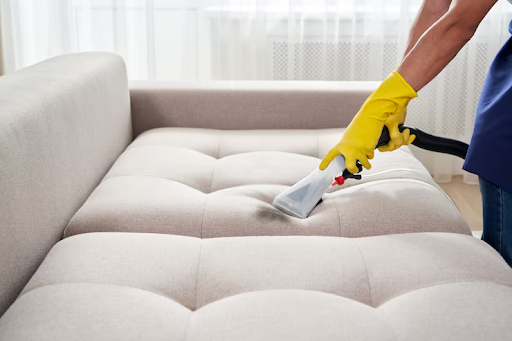
Selecting a professional upholstery cleaning company requires a comprehensive understanding of industry standards and meaningful service differentiation. Furniture represents a substantial financial investment for most households, yet many homeowners defer professional cleaning until damage becomes irreversible and costly. Professional upholstery services address complex cleaning challenges that exceed consumer capability, directly protecting upholstery longevity and maintaining appearance.
Upholstered furniture requires specialised cleaning expertise distinct from carpet or general housekeeping. Inappropriate cleaning methods damage delicate fabrics, cause permanent colour changes, or create water marks rendering expensive pieces unusable. Professional companies employ trained technicians understanding fabric chemistry and appropriate treatment methodologies.
Fabric Type Identification: The Critical Foundation
Professional upholstery cleaning companies distinguish between fabric types before implementing any cleaning protocols. Fabric misidentification leads to colour bleeding, unwanted shrinkage, or permanent damage destroying expensive furniture pieces.
Most upholstery fabrics fall into natural fibre or synthetic categories, each requiring distinct treatment approaches. Within each category, specific fabrics demand unique protocols reflecting their chemical composition and physical properties.
Natural Fibre Classification and Requirements
- Wool: Protein-based fibre requiring pH-neutral, low-moisture solutions protecting fibre integrity. Temperature sensitivity demands cool-water extraction methods preventing shrinkage. Wool responds poorly to harsh alkaline cleaners, making acid-balanced products essential.
- Cotton: Robust fibre tolerating water-based cleaners and warm extraction without damage. Susceptible to shrinkage exceeding 3% if improperly dried or exposed to high heat. Professional moisture control becomes essential.
- Silk: Delicate fibre requiring specialised dry-cleaning solvents rather than water-based treatments. Water contact risks permanent damage; professional treatment proves absolutely essential for silk upholstery.
- Linen: Similar to cotton but slightly more delicate. Requires careful moisture control and appropriate cleaning solutions protecting fibre structure.
Synthetic Fibre Requirements and Handling
- Polyester: Durable, stain-resistant fabric tolerating hot water extraction and enzyme treatments. Responds well to aggressive pre-treatments for stubborn stains. Most forgiving synthetic for cleaning.
- Acrylic: Moisture-tolerant but colour-sensitive requiring colorfastness testing before treatment. Prone to pilling if aggressive extraction or scrubbing applied.
- Microfibre: Water-sensitive material requiring dry-cleaning solvents or specialised low-moisture methods. Improper cleaning causes permanent water spots rendering furniture aesthetically compromised.
- Velvet and Velour: Delicate pile fabrics requiring specialised equipment and gentle techniques. Aggressive cleaning crushes pile permanently.
Colour Fastness Testing Protocols
Professional upholstery cleaning companies conduct rigorous colour-fastness testing before implementing full-scale cleaning. This preventive step protects against irreversible colour bleeding and dye migration, which can cause permanent damage.
Testing Methodology and Timing
Technicians apply diluted cleaning solution to hidden fabric areas,including seams, the underside of cushions, or other inconspicuous locations. Aftera 24-hour dwell time, they inspect for colour transfer to white cotton cloths. Visible colour transfer indicates dye instability, requiring entirely alternative cleaning approaches.
Professional companies document testing results to protect both business and customer interests. Photography evidence demonstrates due diligence if issues subsequently arise.
Pre-Treatment Considerations Beyond Testing
Solution pH measurement ensures acid-base balance matches specific fibre requirements. Temperature testing on hidden areas confirms safety before full application. Concentration testing determines optimal solution strength preventing over-treatment or under-treatment.
Cleaning Method Selection and Implementation
Professional upholstery cleaning companies employ multiple cleaning methods specifically suited to fabric type and soil level present.
Hot Water Extraction Method Application
Ideal for robust natural and synthetic fabrics tolerating moisture. Heated water (180-200°F) combined with cleaning agents penetrates fibres, suspending soils for removal. Powerful extraction removes 85%+ moisture, enabling faster drying and preventing water damage.
Dry Cleaning Solvent Method Benefits
Suited for delicate and water-sensitive fabrics including silk, velvet, and microfibre. Specialised solvents dissolve oils and stains without moisture-related damage. Slower evaporation allows controlled drying, preventing shrinkage or damage.
Encapsulation Technology Advantages
Low-moisture method employing biodegradable polymers crystallising as they dry. Agents encapsulate soils for easy vacuuming. Minimal moisture reduces shrinkage risk substantially, making this method ideal for delicate fabrics.
Protection Treatments and Longevity Extension
Post-cleaning protection treatments significantly extend upholstery lifespan and maintain appearance. Professional companies apply durable coatings creating hydrophobic barriers against spills and stains.
Protectant Effectiveness Data
Properly applied treatments repel liquid spills for 1-2 years before reapplication becomes necessary. Protected fabrics achieve 30-40% increased stain resistance compared to untreated upholstery. Reapplication after professional cleaning maximises ongoing protection.
Types of Protective Coatings
- Fluorocarbon-Based: Premium protection resisting both oil and water-based stains; optimal for valuable pieces deserving maximum protection. More expensive but longest-lasting protection available.
- Silicone-Based: Mid-range protection suitable for everyday furniture; cost-effective reapplication cycles. Moderate price with acceptable durability.
- Natural Protectants: Plant-derived alternatives for environmentally conscious consumers; reduced durability requiring 6-12 month reapplication cycles.
Conclusion:
A professional upholstery cleaning company combines fabric type identification, rigorous colour fastness testing, appropriate cleaning methodology selection, and protective treatments. These elements work synergistically to preserve upholstery value, maintain appearance, and extend functional lifespan. Strategic professional cleaning intervals protect significant furniture investments effectively.


