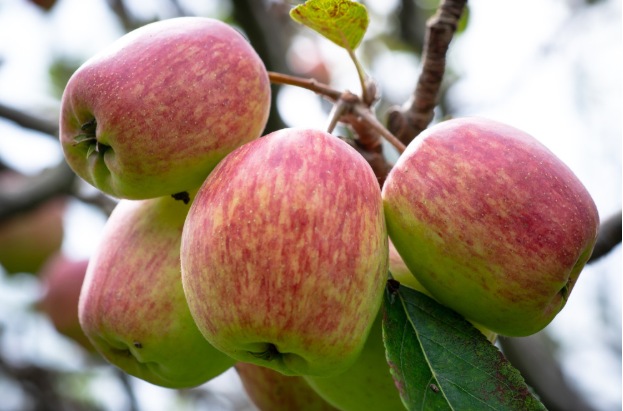
Growing fruit trees is both rewarding and challenging, especially when it comes to achieving consistent, high-quality harvests. One of the most important practices for ensuring strong growth and abundant crops is pruning. While many gardeners think pruning is simply about cutting away branches, it’s actually a strategic process that encourages the tree to focus energy where it matters most—producing healthy fruit. When done correctly, pruning keeps fruit trees structurally sound, improves airflow, and helps sunlight reach all parts of the tree.
Understanding The Purpose Of Pruning
Proper pruning shapes the growth pattern of fruit trees so that they can produce larger, better-tasting fruits. Unchecked growth often leads to overcrowded branches that block light and limit nutrient flow. By selectively removing excess shoots and weak branches, you give the tree the ability to direct its resources to the strongest buds. This results in higher yields and healthier fruit over time.
Benefits For Tree Health
Pruning doesn’t just influence yield—it also protects fruit trees from pests and disease. Overgrown branches can trap moisture, creating an environment where fungi and insects thrive. Thinning out problem areas improves air circulation, which lowers the risk of rot and infestations. Healthy trees are naturally more productive, so this maintenance step pays off year after year.
Timing Your Pruning For Best Results
When you prune fruit trees at the right time, you maximize their growth potential. For most varieties, late winter to early spring is ideal because the trees are still dormant. This timing allows wounds to heal quickly as the growing season begins, reducing stress on the tree. Some summer pruning can also be beneficial to control excessive growth and improve fruit quality.
Dormant Season Pruning
During the dormant season, it’s easier to see the structure of fruit trees without dense foliage in the way. This makes it simpler to identify weak or crossing branches that need removal. It’s also the perfect time to shape young trees, guiding them toward a strong, balanced form that will support heavy fruit loads in the future.
Techniques For Maximizing Yields
Different types of fruit trees require different pruning approaches, but some general techniques apply to nearly all varieties.
Thinning Cuts
Thinning involves removing entire branches back to their point of origin. This technique helps open up the canopy, allowing sunlight to penetrate deep into the tree. Increased sunlight encourages better fruit development and helps prevent disease.
Heading Cuts
Heading cuts shorten a branch by trimming it just above a bud. This method stimulates new growth in the direction of the bud, which can help shape the tree and encourage more fruit-bearing shoots.
Renewal Pruning
Older fruit trees benefit from renewal pruning, where old, unproductive branches are removed to make room for younger, more vigorous growth. This revitalizes the tree and improves overall productivity.
Avoiding Common Pruning Mistakes
While pruning is essential, it’s possible to overdo it. Removing too many branches at once can shock fruit trees, causing reduced growth and smaller yields. It’s best to spread major pruning over several seasons, especially with mature trees. Another common mistake is making rough or uneven cuts, which can damage the bark and leave the tree vulnerable to pests.
Tools And Safety Tips For Pruning
Using sharp, clean tools is key to making precise cuts that heal quickly. For small branches, hand pruners or loppers work well. Larger branches may require a pruning saw. Always disinfect your tools between cuts, especially if you suspect disease, to prevent spreading pathogens from one tree to another.
Ladder Safety
When working on taller fruit trees, use a stable ladder and avoid overreaching. Secure footing ensures you can make accurate cuts without injuring yourself or damaging the tree.
Long-Term Impact On Yields
Consistent, well-planned pruning creates a cycle of healthy growth and strong production. Over time, fruit trees develop a balanced structure that can support more fruit without risking broken limbs or reduced quality. The benefits go beyond yield—properly maintained trees are also more attractive and easier to harvest from.
Conclusion
Pruning is one of the most valuable skills you can develop as a grower of fruit trees. It’s not just about keeping trees tidy; it’s about optimizing their health and productivity for the long term. By applying the right techniques at the right times, you ensure that your trees will produce bountiful harvests for years to come. For those looking to get professional advice or high-quality stock for their orchard, visiting a trusted plant nursery can provide the expertise and resources needed to get the most from your pruning efforts.


